
The personal‑loan arena is evolving faster than ever, driven by a confluence of digital innovation, shifting consumer habits, and macroeconomic forces that have reshaped how Americans access credit. As lenders expand their product suites to include AI‑powered underwriting, peer‑to‑peer (P2P) marketplaces, and instant disbursement engines, the market is poised for explosive growth through 2034.
While banks remain the backbone of the sector, fintech platforms are carving out an increasingly sizable slice. This article dives into the latest data from Fortune Business Insights, explores key trends such as AI‑credit scoring, and examines how borrowers can navigate a landscape where rates fluctuate in real time. It also highlights a new partnership that offers streamlined loan access for underserved segments.
Market Size & Growth Projections
The global personal‑loan market reached an estimated USD 429.78 billion in 2026, with analysts forecasting a jump to USD 1,521.91 billion by 2034. This translates into a compound annual growth rate (CAGR) of roughly **15.5%** from 2026 onward.
North America dominates the scene, accounting for **40.10%** of global sales in 2026 and projected to hit **USD 192.13 billion by 2026**. The region’s advantage stems from a mature banking infrastructure coupled with rapid digital adoption that allows consumers to apply, get approved, and receive funds within hours.
Asia Pacific is the fastest‑growing segment, expected to outpace others thanks to expanding internet penetration and mobile‑first lending platforms targeting underbanked populations. Europe, meanwhile, balances traditional banks with a burgeoning fintech ecosystem that offers flexible loan terms for gig economy workers.
Fintech’s Rising Tide: AI & Digital Platforms
Artificial intelligence is at the heart of today’s credit assessment engines. Lenders now use machine learning models that analyze everything from social media activity to payment histories on non‑traditional accounts, allowing them to assess risk with greater nuance than legacy FICO scores alone.
- Risk Models: AI can flag potential defaults earlier by detecting subtle patterns in spending behavior.
- Speed: Automated underwriting reduces approval times from weeks to minutes.
- Inclusivity: Alternative data sources help lenders extend credit to borrowers who might otherwise be denied.
These capabilities have spurred the rise of peer‑to‑peer lending platforms that connect individual investors directly with borrowers, bypassing banks altogether. Such models often offer lower interest rates due to reduced overhead, although they come with their own regulatory and risk considerations.
Case Study: A New Player in the Space
Enter Jetzloan, a fintech startup that leverages AI to match borrowers with lenders offering unsecured personal loans ranging from **$300 to $5,000**. By partnering with state‑licensed institutions and providing full cost disclosure—including origination fees and APR—Jetzloan gives consumers a transparent path to credit.
Unlike traditional banks that require hard credit pulls, Jetzloan’s prequalification process uses soft inquiries, safeguarding the borrower’s credit score while still delivering rapid approval decisions. For individuals with sub‑prime scores or limited credit history, this model can be a game changer.
Interest Rates & Fees: What Borrowers Should Know
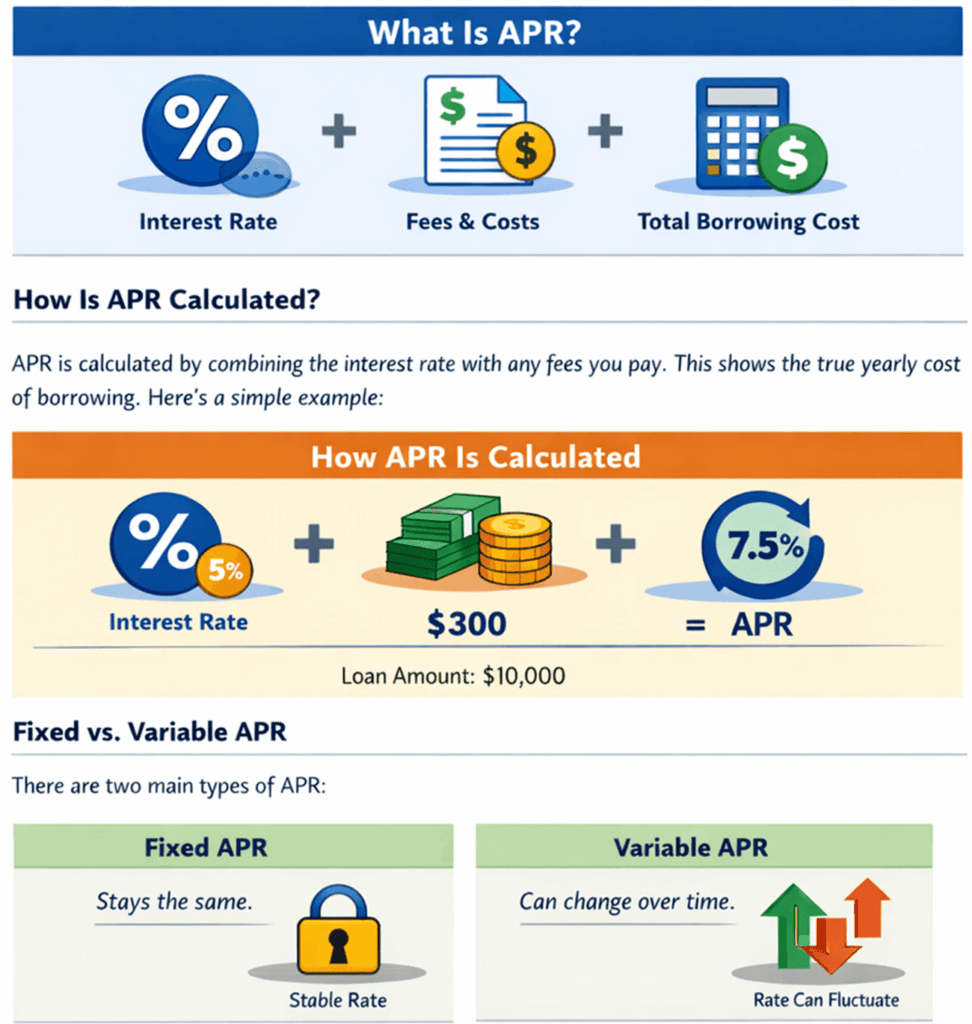
As of early 2026, bank small‑business loan rates hovered between **6.8% and 11%**, while online term loans could swing from **14% to an astronomical 99% APR**. For personal loans, the average APR across all credit tiers was about **12.26%** as reported by Bankrate in March 2026.
Bad‑credit borrowers typically face higher rates—often between **18% and 35.99%**—and originations fees ranging from **1% to nearly 10%** of the loan amount. These costs can significantly reduce the net funds received, especially when fees are deducted from the disbursement.
| Loan Type | APR Range | Typical Fees |
|---|---|---|
| Bank Small‑Business Loan | 6.8%–11% | Origination 1%–3% |
| Online Term Loan | 14%–99% | Up to 10% origination, closing costs |
| Bad‑Credit Personal Loan | 18%–35.99% | 1%–9.99% origination |
In the context of personal loans for bad credit, average balances have hovered around **$1,800** for scores below 600, according to TransUnion Q2 2025 data. Platforms like Jetzloan mitigate surprises by disclosing all fees upfront, ensuring borrowers receive a clear picture of their net proceeds.
Strategic Tips for Savvy Borrowers
- Compare APRs: A lower monthly payment may mask a higher overall cost if the loan term is extended.
- Check Fee Structures: Look for platforms that itemize origination, underwriting, and closing costs.
- Consider Secured vs. Unsecured: While secured loans can offer better rates, they expose collateral to risk if payments lapse.
Regulatory Landscape & Consumer Protection
The U.S. has tightened regulations around high‑cost lending, especially for payday lenders and merchant cash advances that can command APRs exceeding **300%**. The Dodd‑Frank Act’s “Truth in Lending” provisions require clear disclosure of APR, fees, and total cost before any contract is signed.
Fintech firms must also navigate state licensing requirements, which vary across jurisdictions. Jetzloan, for instance, partners exclusively with state‑licensed lenders, ensuring compliance while offering nationwide access to credit.
The Role of Credit Scores in 2026
Even as AI models broaden the definition of creditworthiness, traditional FICO scores still play a pivotal role in loan approvals. However, the threshold for “prime” borrowers has become more fluid: lenders now factor in income stability, employment history, and even behavioral data to predict repayment likelihood.
This shift is evident in the rise of sub‑prime personal loans—products tailored for those with scores below 630—that still command competitive rates thanks to robust risk modeling.
Future Outlook: What Lies Ahead?
Industry analysts project that by 2034, digital lending platforms will account for more than **half** of all personal‑loan disbursements in North America. With fintech’s ability to scale rapidly and offer personalized rates, the market is likely to see a continued shift away from traditional banks.
At the same time, macroeconomic factors such as inflationary pressures and Federal Reserve policy will influence interest rate trajectories. While the Fed has kept rates steady through early 2026, any future cuts could ripple across business and personal loan markets, potentially lowering borrowing costs for consumers.
For borrowers navigating this dynamic environment, staying informed about fee structures, APR ranges, and regulatory safeguards remains essential. Tools like Jetzloan’s AI‑matching engine provide a transparent starting point, but due diligence—comparing offers, scrutinizing terms, and understanding total cost—is still the best defense against costly surprises.
As the landscape evolves, the blend of fintech agility and traditional banking reliability will shape how individuals access credit. Those who can harness technology while maintaining prudent financial habits are poised to benefit most from the opportunities ahead.